What Is a Vocal Steamer? A Plain-English Guide for Singers
So, what is a vocal steamer? The plain-English answer: a vocal steamer is a vessel used to breathe warm steam from heated water. For singers, it can be part of a deliberate pre-performance routine: a few quiet moments before the rehearsal room, choir loft, or stage gets busy. Think of it as a warm-steam ritual with a particular place in your preparations, much as a proper cuppa has its place beside the script.
The name can sound rather technical. The ceramic version is refreshingly straightforward, however: hot water, a vessel, and a mouthpiece. Here is what that means in practice, how a non-electric design works, and what to consider before making room for one.
What a Vocal Steamer Is (and Isn’t)
A vocal steamer holds heated water so you can breathe the warm steam it produces. Designs differ, so the useful questions are practical ones: what supplies the heat, how is the vessel assembled, and what instructions apply to that particular model?
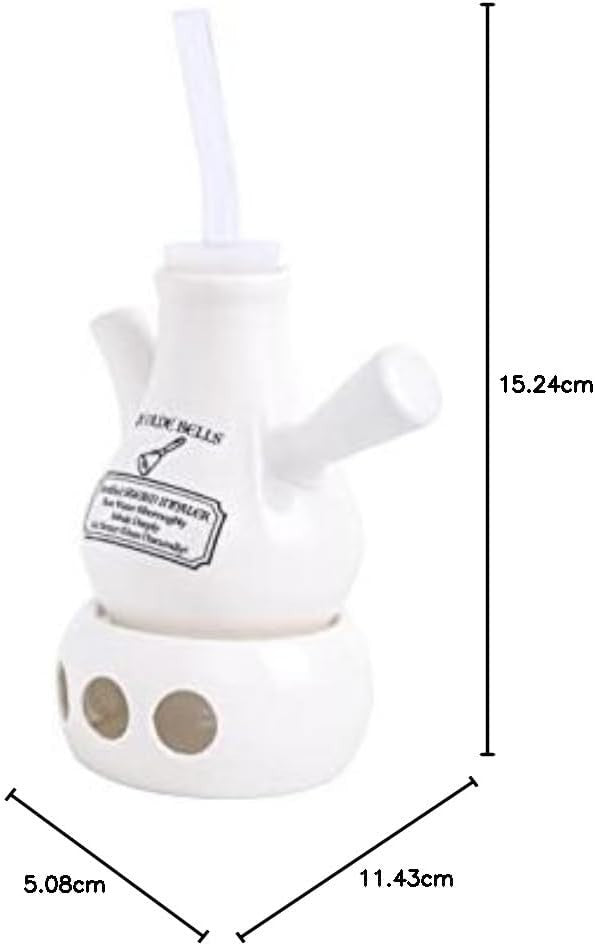
The Ye Olde Bells Victorian Vocal Steamer is a non-electric ceramic design. You fill it with hot, not boiling, plain water and breathe the warm steam. There are no cords, plugs, or batteries. An optional tealight can sit in the warmer base to keep the water warm for longer, but a candle is not required to use it.
That distinction matters. The hot water provides the steam; the optional candle extends the warmth. If you prefer a routine without an open flame, you can leave the tealight out entirely.
A closer look at the ceramic design
The Victorian Vocal Steamer has a white glazed ceramic vessel with a side spout and handle. A clear glass mouthpiece tube passes through a rubber stopper, and the vessel sits with a vented ceramic warmer base. Assembled, it measures approximately 6 inches tall and 4.5 inches wide.
Those dimensions give you a useful starting point when choosing a spot for it. Allow additional space around the assembled steamer so you can approach it comfortably without crowding the edge of a table, knocking nearby objects, or reaching across hot water.
The box includes:
- The ceramic vessel.
- The ceramic warmer base.
- The glass mouthpiece tube.
- The rubber stopper.
- Tealights.
- Tweezers.
The included tealights give you the option of using the warmer base with a flame. Their presence in the box does not make them a necessary step. A quiet, candle-free setup is perfectly consistent with the non-electric design.
What belongs in the vessel?
Plain water only. There is no need for an elaborate recipe, and oils or other additives must never go into the steamer. Keep the aromatic experiments for somewhere else; this particular piece of ceramic has a very short ingredient list.
Use hot water, never boiling water. Hot water and steam can scald, so take care while filling, positioning, using, and emptying the vessel. Keep your face a comfortable distance from the steam rather than leaning closer in pursuit of a more intense experience.
Before beginning, read the instructions supplied with your steamer and arrange the parts on a suitable surface. For a practical companion to this overview, see How to Use a Ceramic Vocal Steamer.
Where it fits in a singer’s routine
A warm-steam ritual works best as a clearly defined part of your schedule. Give it its own place among familiar preparations: checking your music, organizing your performance clothes, reviewing the running order, and setting aside time for your warm-up.
The point is to make the sequence easy to follow. If your evening already involves finding missing sheet music and negotiating a remarkably full parking lot, an extra object needs a sensible plan. Choose a location, allow time for setup and cooling, and decide in advance whether you will use the optional tealight.
At home before leaving
A home setup lets you choose the surface and organize your surroundings beforehand. Keep the steamer away from the edge, leave room for handling the parts, and avoid placing it among loose pages or other clutter. Allow everything to cool before cleaning or putting it away.
Before rehearsal or a performance
If you intend to use it at a venue, check that there is a suitable place for the setup. Open-flame rules matter if you plan to use a tealight. Where flames are not permitted, leave the candle out. You will still need hot plain water and a safe place to use the vessel.
Keep your steam ritual separate in your planning from your singing exercises, with time allocated for each. For ideas on organizing the latter, read the 20-Minute Pre-Performance Warm-Up.
The optional tealight, explained without fuss
The tealight has one purpose here: keeping the water warm for longer. It does not need to be lit for the steamer to work, and using a candle is a choice rather than a mark of doing the ritual properly.
If you choose to use one, place the setup on a stable, heat-resistant surface and use it only where open flames are permitted. Never leave the flame unattended. Make cooling time part of your plan before you begin, especially if you have a departure time looming.
For a simpler setup, omit the candle and use hot plain water alone. There is something rather pleasing about a routine that does not require finding an outlet behind the parlour furniture.
Practical care and safety
This steamer is for adults age 18 and older. Its ceramic and glass parts deserve careful handling, and the hot water, steam, and optional flame require attention throughout use.
- Use hot, not boiling, plain water, with no oils or additives.
- Keep your face a comfortable distance from the steam.
- Choose a stable surface with enough space around the vessel.
- If using the optional tealight, use a heat-resistant surface and follow the location’s open-flame rules.
- Never leave a lit tealight unattended.
- Let everything cool before cleaning or packing away.
- Hand wash only.
Give cleanup a place in the routine, too. A performance schedule can become quite brisk, but the steamer should be allowed to cool on its own timetable. Plan accordingly rather than leaving packing until the moment you need to dash out.
A heritage-style object, or a thoughtful gift?
Alongside its practical role, the white ceramic and clear glass design give this steamer a distinctive presence. It suits someone who enjoys a tangible ritual and a little British heritage flavor in their surroundings. Ye Olde Bells was established in 2022; the Victorian name describes the product’s character, rather than making it an antique.
For gifting, consider the recipient’s preferences. Would they enjoy setting up, using, hand washing, and storing a ceramic vessel? Do they have an appropriate place for it? Those questions are more useful than assuming every singer wants the same accessories.
The Ye Olde Bells Victorian Vocal Steamer costs $69.99, with flat $9.99 US shipping. It ships from Traverse City, Michigan, with shipping taking about 5–6 business days. Orders are US only. Returns are available within 30 days for unused items in their original packaging, so keep that condition in mind when choosing a gift.
A vocal steamer need not be mysterious or elaborate. In this ceramic version, it is a warm-steam ritual built around hot plain water, a carefully arranged vessel, and a little time in your schedule. Give it a sensible spot, follow the instructions, and let the choir-loft charm be an agreeable extra.
This article is general information only and is not medical advice. Ye Olde Bells is a warm-steam ritual accessory, not a medical device.