A 20-Minute Pre-Performance Warm-Up Routine for Singers
A framework for the minutes before you sing
A good entrance begins well before anyone hears the first note. A pre performance vocal warm up routine is easier to repeat when every part has a purpose. This 20-minute framework moves from posture and breath awareness to familiar sound patterns, words, and entrance cues. It is a way to organize performance preparation, with enough structure to keep you from spending all twenty minutes on the exercise you happen to like best.
Use exercises you already know from lessons or rehearsals, in a comfortable range and at an easy volume. Adapt the outline with your voice teacher rather than using a performance day to learn an unfamiliar technique. Twenty minutes is a planning framework, not a rule you must complete at any cost. Venue schedules and ensemble directions come first.
Minutes 0–3: arrive and arrange your posture
Put your score where you can read it without continually looking down. Stand with a balanced stance and notice the position of your shoulders, head, and knees. If you will perform seated, spend part of this time in the chair arrangement you expect to use. Let the setup resemble the work ahead rather than an idealized practice room.
Notice an ordinary breath without making it unusually large or imposing a long counting pattern. Then choose a simple phrase and silently mark where its words and punctuation fall. The purpose here is attention: where you are standing, what you are about to sing, and which familiar preparation steps you will use next. Keep the process plain and unhurried.
Minutes 3–6: begin with familiar hums
Use a comfortable pitch for a short, easy hum. Pause, then repeat a familiar small pattern from your usual practice. You might use three neighboring notes or another brief figure your teacher has already introduced. Avoid reaching for the extremes of your range or making the sound louder because the room feels busy. A rehearsal corridor is not an invitation to compete. There is no need to audition for the coat rack.
Listen to the pattern's timing and shape. Can you start and finish where you intended? Can you repeat the figure at the same manageable pace? Use these questions as musical observations about the pattern you have chosen. If an exercise is unfamiliar or uncomfortable, leave it out and seek qualified guidance rather than experimenting under time pressure.
Minutes 6–10: use lip trills and simple slides
If lip trills are already part of your practice, use a few short ones on familiar patterns. Leave pauses between repetitions. If they are not part of your established routine, choose another exercise you know instead. There is no prize for including every item on a list, and a performance day is a particularly poor occasion for collecting new techniques.
Follow with small, easy slides or sirens within a comfortable range. Keep the shape modest and the volume easy. You are moving through known musical gestures, not conducting a range test. Choose fewer patterns done attentively over a long sequence performed simply because the timer is still running.
Keep the musical task specific
- Choose one familiar pattern at a time.
- Use a comfortable starting pitch.
- Leave space between repetitions.
- Finish the pattern where you planned.
- Move on when its allotted time is complete.
Minutes 10–14: bring in words and rhythm
Speak a short line of text at an easy pace. Notice the consonants that begin and end the words, and decide which word carries the phrase's main idea. Then speak it in the rhythm of the music. This gives you a practical task: matching language to timing without attempting a complete performance in miniature.
Use a familiar articulation drill if it belongs in your routine. Start slowly enough that each word remains clear. Increase the pace only while the pattern stays deliberate. Tongue twisters can be entertaining, but speed is not the objective here. A clear ending consonant or a well-timed entrance may be more relevant to tonight's piece than an impressive verbal obstacle course.
Minutes 14–17: visit a small piece of repertoire
Choose one short passage or opening phrase rather than running the entire program. Check its starting pitch with an appropriate reference if available, then work at an easy volume within your normal practice. Focus on one musical detail: a rhythmic entrance, a text stress, or the direction of a phrase. Keep the assignment small enough to finish within the time.
If a passage needs extensive work, make a note for a later practice session. The minutes before performance are better spent confirming a workable plan than repeatedly revisiting every difficult bar. Follow the conductor's or musical director's instructions if you are preparing with an ensemble. Shared preparation takes precedence over finishing your private checklist.
Minutes 17–20: stop practicing and check the entrance
Put the score on the correct page, confirm the first cue, and make sure any loose pages are secure. Check your call time and where you need to stand or sit. Then allow a short quiet interval before moving to the next instruction. Finishing deliberately prevents the routine from becoming an endless rehearsal that follows you all the way to the stage.
- Correct score and first page ready.
- Pencil and essential items accounted for.
- Opening cue and arrival position confirmed.
- One clear musical intention chosen.
An Optional Vocal Steamer Ritual, Outside the Twenty Minutes
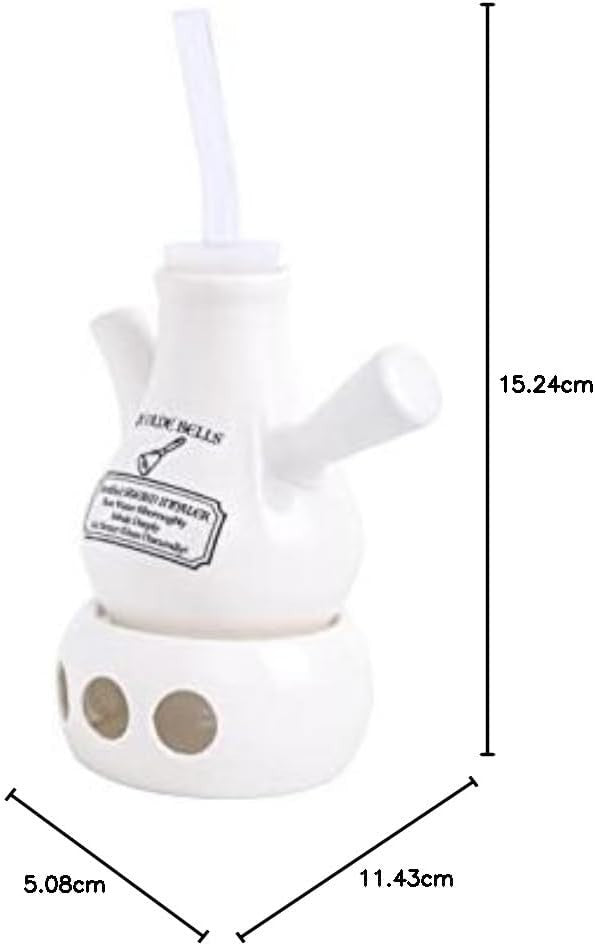
For adults who enjoy a separate pause at home, the Ye Olde Bells vocal steamer can be a warm-steam ritual accessory alongside performance preparation. It is optional and outside this exercise schedule. Its ceramic design, used with hot (not boiling) water and an optional tealight warmer, offers a moment of comfort and occasion; it does not establish what your singing will sound like.
Allow about 5–10 minutes for the session plus setup and full cooling. Adults 18 and older only; use plain warm water, never boiling water, oils, or additives. Hot water and steam can scald. Use a stable, heat-safe surface away from flammables, children, and pets. Attend the candle, extinguish it afterward, let all parts cool fully, and hand wash only. Read care and safety before use. Score ready, entrance settled, and a little time to spare: jolly good. Let the next cue have the final word.
This article is general information, not medical advice; see a qualified professional, such as a voice teacher or a healthcare professional, for any concern.