Choir Rehearsal Prep: A Checklist for Choristers
Arrive ready for the shared work
From an old English parish church choir loft to a modern rehearsal room, the humble pencil deserves its place beside the score. Knowing how to prepare for choir rehearsal is partly about music and partly about the humble pencil. You can remember every note of a familiar anthem and still spend the first five minutes searching for the page everyone else has open. A reliable checklist gives the practical details a home so you can pay attention to the ensemble.
Preparation does not require turning every rehearsal into a grand event. A few repeatable actions are enough: check the plan, pack the correct materials, review the assigned passage, and arrive in time to settle. Whether you sing every week or are returning after a long interval, an orderly routine makes your participation easier to organize.
The day before: check what is actually scheduled
Read the latest rehearsal message rather than relying on last week's arrangement. Confirm the venue, start time, repertoire, and any sectional instructions. If the choir uses several editions or arrangements, check which one is required. Page numbers are much easier to follow when everyone is looking at the same version of the piece.
Write down any question that needs an answer, such as where a new section meets or whether a particular score is being supplied. Resolve logistical questions through the choir's usual channel rather than hoping to sort them at the opening announcement. This is especially helpful when a rehearsal has moved or a concert schedule has altered the usual order.
Review one useful piece of music
Choose the passage assigned by the conductor or the spot you marked at the previous rehearsal. Check the notes, rhythm, text, and entrance separately before combining them. You do not need to run the whole folder to make preparation worthwhile. Ten deliberate minutes with a specific question can give the next rehearsal a clearer starting point.
A simple passage checklist
- Find the first bar and the cue immediately before it.
- Count the rhythm at a manageable pace.
- Read the text and check unfamiliar pronunciation using the choir's guidance.
- Identify the place where your section enters or stops.
- Mark one question to ask if it remains unresolved.
Use rehearsal recordings or reference tracks only when supplied or approved for your choir's work. Keep track of the version you are hearing. An appealing recording of a different arrangement can be enjoyable listening without being a reliable guide to the page in your folder.
Pack a folder that opens where you need it
Put scores in the expected order, with temporary markers for pieces likely to be rehearsed. Remove unrelated paperwork so you can navigate without a lengthy excavation. If your choir has rules for binders or concert folders, follow those first. A practical system that matches the ensemble matters more than a particularly handsome arrangement of tabs.
- Required scores in the correct editions.
- Pencils, an eraser, and any permitted page markers.
- A notebook or designated place for rehearsal tasks.
- A water bottle with a secure lid.
- Venue details, travel information, and any access instructions.
Check your bag before leaving rather than assuming yesterday's contents are still there. Keep the pencil case in a consistent pocket and give borrowed music a distinct place. The goal is not perfect stationery management; it is being able to make a marking when the conductor gives it.
Plan the journey with arrival in mind
Work backward from the time you need to be in your seat, not the time you hope to reach the building. Allow for parking, walking from the station, and finding the room. If you are new, check how to enter and where your section sits. A few spare minutes can be used for opening scores rather than apologetic bag rustling.
Once inside, put belongings where they will not obstruct the rehearsal space. Open the first score and make sure your phone is set appropriately for the session. If you need to ask a logistical question, do so before the ensemble begins when possible. Readiness is often a collection of quiet courtesies. In a choir loft, passing the pencil can be as welcome as finding the right page.
Use familiar preparation, then join the group
If your schedule allows individual preparation beforehand, use familiar easy hums, lip trills, or short musical patterns from your established practice. Stay within a comfortable range and at an easy volume. Do not turn the journey or corridor into an improvised lesson. Follow the conductor's shared warm-up when rehearsal starts, even if your personal sequence was different.
During the rehearsal, notice entrances, cutoffs, diction instructions, and the relationship between your part and the surrounding parts. Write concise markings that you will understand next week. A page filled with elaborate notes is less useful than a few clear instructions at the exact bars where they apply.
An Optional Steamer-for-Singers Ritual Before the Journey
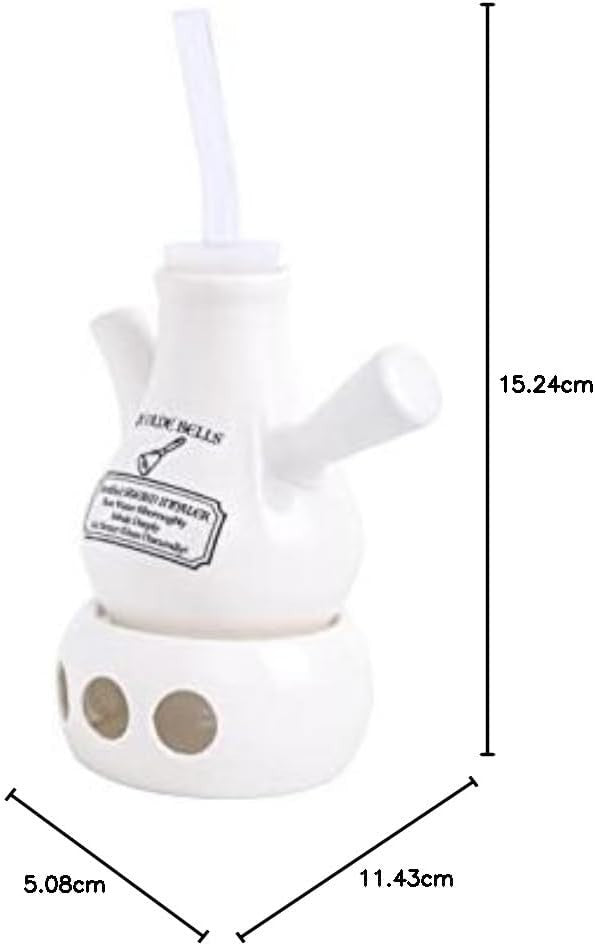
For adults who enjoy an unhurried pause at home, the Ye Olde Bells steamer for singers is a ceramic warm-steam ritual accessory. Its heritage-inspired design brings a pleasing sense of occasion to preparation. Keep it separate from packing and departure, with time to attend any optional tealight and let the set cool fully afterward. Just add hot (not boiling) water; an optional tealight keeps it warm for longer.
A session is about 5–10 minutes, plus setup and full cooling. The set is for adults 18 and older. Use plain warm water only, never boiling water, oils, or additives. Hot water and steam can scald. Use a stable, heat-safe surface away from flammables, children, and pets. If you use a tealight, attend it and extinguish it after the session. Let parts cool fully, and hand wash only. Read care and safety first.
After rehearsal: leave yourself a useful note
Before closing the folder, record the next assigned passage, any changed instruction, and one question for your own practice. Put new pages in their proper place while you still remember where they belong. That small closing task gives the next rehearsal's preparation a beginning. Your future self, searching for bar forty-three on a Tuesday evening, will appreciate the courtesy. Folder closed and pencil accounted for: a proper finish. There is time for a separate cup of tea when the rehearsal is done.
This article is general information, not medical advice; see a qualified professional, such as a voice teacher or a healthcare professional, for any concern.