How to Choose a Vocal Steamer for Singers: Electric, Cordless or Non-Electric
Choosing a vocal steamer for singers starts with a practical question: what sort of warm-steam ritual fits your singing day? Perhaps you want a short pause before rehearsal, a quiet moment before stepping onstage, or a handsome object for your music room. The right choice depends on how a steamer works, where you will use it, and how much setup you fancy. Think less grand promise, more well-organized choir loft—with room for a proper cuppa afterward.
What Makes the Best Vocal Steamer for You?
Begin by separating the power source from the overall experience. “Electric,” “cordless,” and “non-electric” can sound like three tidy categories, but product descriptions do not always use them consistently. A cordless model may still use electricity through a rechargeable battery. A non-electric vessel needs no electrical power, although you must prepare its hot water separately.
Your useful comparison is therefore simple: how is the water warmed, what must you have nearby, and what will you need to clean afterward? If you would like an introduction before comparing options, read What Is a Vocal Steamer? for background on the object and its place in a warm-steam routine.
Electric: check the setup requirements
For any electric model you are considering, read its instructions before buying. Confirm whether it plugs into an outlet, how the manufacturer says to fill and operate it, and which parts need cleaning. Avoid assuming that every electric design has the same controls, timing, or automatic features.
Picture your actual preparation space. Is there a suitable outlet where you can place the unit securely? Will its cord cross a walkway or compete with a keyboard, lamp, or phone charger? An arrangement that looks splendid in a product photograph still needs to work beside your rather crowded music stand.
Cordless: find out what the label means
“Cordless” describes the absence of a cord during use; it does not explain the entire setup. Check whether a model requires charging, batteries, or separately prepared hot water. If charging is involved, consult the stated operating time and charging instructions rather than guessing from its size.
Also check its dimensions and carrying requirements. A cordless item is not automatically pocket-sized, leakproof, or suitable for use while moving around. For rehearsal trips, consider how you will transport it, where you will set it down, and whether its instructions allow the use you have in mind.
Non-electric: plan for hot water
A non-electric vessel suits someone who prefers a routine without cords, plugs, or batteries. The practical requirement moves elsewhere: you need access to hot water and a suitable place to use the vessel. That may fit a home music room rather nicely, but it deserves thought if your rehearsal venue has limited facilities.
Check whether any separate warming accessory is required or optional. Those are different arrangements, and the distinction matters when comparing products. You should be able to understand the basic setup without deciphering a photograph featuring three candles and a decorative fern.
Make a Shortlist Based on Your Singing Routine
Before comparing finishes and accessories, write down where your steamer will spend most of its time. A permanent place at home and an occasional trip to a rehearsal room call for different packing arrangements. Choose for your ordinary Tuesday, not an imaginary dressing room with unlimited counter space.
- Location: Identify a stable surface with enough room for the steamer and its parts, away from passing elbows.
- Water access: Check where you can prepare and carefully carry hot water if the design requires it.
- Power: Decide whether an outlet, charging routine, or non-electric setup fits your space.
- Storage: Allow room to put the item away after everything has cooled and been cleaned.
- Transport: Consider fragile components and suitable packing before adding a steamer to your rehearsal bag.
- Care: Read the cleaning instructions and decide whether you will comfortably follow them after each use.
Keep expectations grounded in the ritual itself: preparing the vessel, settling into a quiet moment, and putting everything away. A steamer should earn its place through a setup you enjoy and can manage consistently.
A Closer Look at the Ye Olde Bells Victorian Vocal Steamer
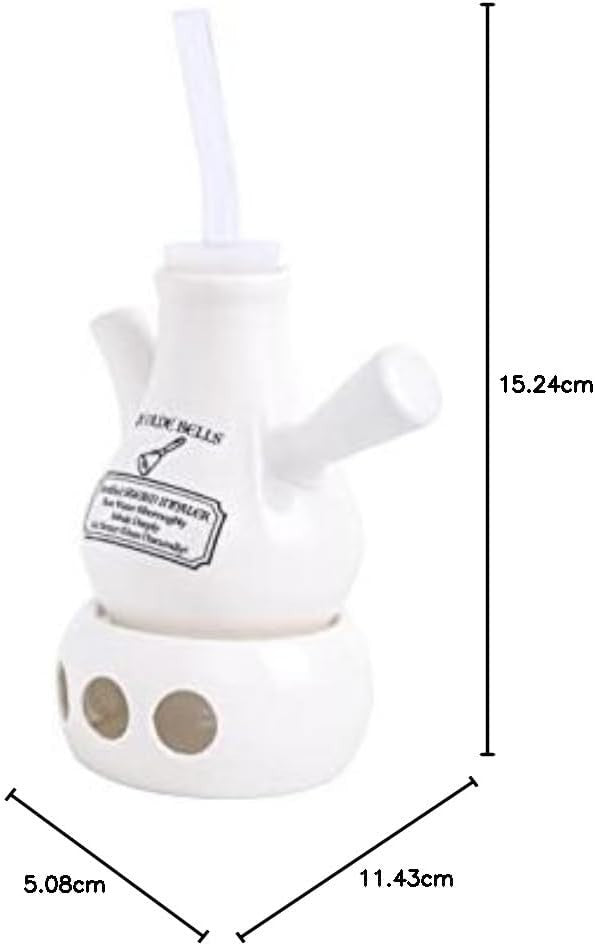
The Ye Olde Bells Victorian Vocal Steamer for singers is a white glazed ceramic steam vessel with a side spout and handle. A clear glass mouthpiece passes through a rubber stopper, and the vessel sits with a vented ceramic warmer base. Assembled, it measures approximately 6 inches tall and 4.5 inches wide: useful measurements to check against your intended shelf or tabletop.
It is non-electric, with no cords, plugs, or batteries. You fill it with hot, not boiling, plain water and breathe the warm steam while keeping your face a comfortable distance away. Its appeal is a deliberate warm-steam ritual and a heritage-style presence in the room—a little parlour character alongside the sheet music.
A tealight in the base is optional. Its only purpose is to keep the water warm for longer; a candle is not required to use the steamer. If open flames are prohibited in your venue, leave the tealight out. The basic hot-water setup does not depend on lighting it.
The box includes the ceramic vessel, ceramic warmer base, glass mouthpiece tube, rubber stopper, tealights, and tweezers. That gives you a clear inventory to compare with other listings, without assuming that accessories pictured elsewhere are included.
Put Safe Handling Ahead of Atmosphere
The Ye Olde Bells steamer is for adults age 18 and older. Use plain water only, never oils or additives. Hot water and steam can scald, so handle the filled vessel carefully and keep your face a comfortable distance away. Arrange your space before filling, rather than searching for a suitable spot with hot water in hand.
If you choose the optional tealight, use a stable, heat-resistant surface, only where open flames are permitted, and never leave it unattended. A candlelit corner may look charming, but venue rules and careful handling come first. Let everything cool before cleaning or packing, and hand wash only.
Compare the Full Cost and Care Commitment
The Ye Olde Bells Victorian Vocal Steamer costs $69.99, with flat $9.99 US shipping, making the product and shipping subtotal $79.98. It ships from Traverse City, Michigan, with an expected timeframe of about 5–6 business days. Shipping is US only, so check those details before choosing it as a time-sensitive recital gift.
Returns are available within 30 days for unused items in their original packaging. Review the size, materials, and setup before using it, and keep the packaging while deciding. For a gift, make sure the recipient would welcome a ceramic and glass object with a hands-on care routine.
Cleaning deserves a place in your buying decision, too. Hand washing is part of owning this steamer, and its separate components need consideration when planning your counter and storage space. Read How to Clean a Ceramic Steamer as you decide whether that routine suits you.
Choose the Ritual You Will Enjoy Keeping
The best fit is the steamer whose instructions, setup, materials, and care requirements make sense in your daily life. Check power arrangements carefully, measure your space, and account for water preparation and cleanup. If a non-electric ceramic vessel appeals, Ye Olde Bells, established in 2022, brings British heritage flavor to that practical choice. A little ceremony before the first note can be rather lovely—especially when every part of the arrangement has its proper place.
This article is general information only and is not medical advice. Ye Olde Bells is a warm-steam ritual accessory, not a medical device.