The Art of the Candlelit Pause: Small Rituals for Busy Voices
Give preparation a beginning
Before the curtain rises, there is something to be said for a proper little ritual. A performance day can become a collection of unfinished little jobs. There is a message to answer, a score to find, a bag to repack, and a departure time that seems to move closer whenever you glance at it. A ritual gives those scattered activities a recognizable order. It can be as modest as clearing a desk and opening the correct page.
If you are looking for calming pre-performance ritual ideas, start with a sequence you would actually repeat. The aim is a routine that feels composed and familiar, with room for real-life interruptions. You do not need special lighting, a silent house, or an hour without obligations. A few deliberate choices can give the next part of the day a clear shape.
Separate practical preparation from the pause
First, deal with the jobs that need an answer. Confirm the call time, put the address in your calendar, and check that your music is packed. A candlelit moment is much more appealing when you are not simultaneously wondering where the parking information went. Write down any remaining tasks so the pause does not become another place to rehearse your to-do list.
- Check the venue, arrival time, and travel plan.
- Set out the score, script, or speaking notes you will use.
- Pack the items that must leave the house with you.
- Choose the next task and give it a realistic start time.
Think of this as setting the stage for yourself. In a theater, someone checks the props before the scene begins. At home, that someone may also be locating a missing shoe, but the principle is much the same. The practical sequence comes first; the small ceremony follows.
Choose one cue for the transition
A cue is an ordinary action that marks the change from general busyness to performance preparation. You might close your email, place your phone out of reach, or put a pencil beside the first page of your score. Keep the cue simple enough to use on a less-than-ideal day. A ritual that requires perfect conditions is unlikely to become a companion.
You can also choose a brief phrase to write at the top of a notebook: the opening intention for a scene, the first musical entrance, or the name of the person you are speaking to. Keep it concrete. “Listen for the piano introduction” gives you something usable when the evening starts. Grand declarations can wait until after the curtain call. A modest pencil mark will do nicely for now.
Make space for a quiet five minutes
Quiet time does not need an ambitious agenda. Sit or stand in a comfortable position, notice where your score is, and decide which task comes next. If thoughts about the evening appear, write one short reminder and return to the pause. You are arranging your attention, not trying to achieve a special state or guarantee a particular performance.
A notebook version
Write three lines: where you are going, what you need to bring, and the first thing you will do when you arrive. Then close the notebook. This is especially useful when preparations contain many moving pieces. It turns a large, vaguely defined evening into a few concrete actions without asking you to solve every possible complication in advance.
A score version
Open to the first entrance and read the relevant text silently. Notice the punctuation, the musical cue, and the intended character or mood. Put a removable marker on the page if that helps navigation. Close the folder when you are finished. Even a familiar piece deserves a moment of deliberate introduction before the working session begins.
Where a Ceramic Vocal Steamer Fits
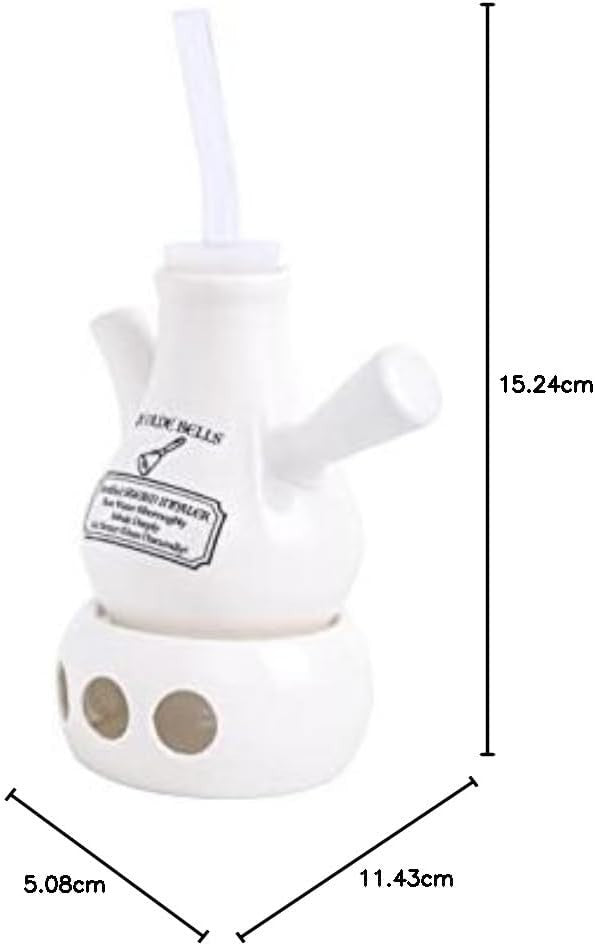
Some adults enjoy giving the pause a physical centerpiece. The Ye Olde Bells vocal steamer with an optional tealight warmer is a ceramic warm-steam set inspired by Victorian earthenware design. Its white glazed vessel, black heritage label, clear glass mouthpiece, and ceramic candle-warmer base bring a pleasing sense of occasion to a tabletop. It is a ritual accessory and a vocal warm-up companion. Just add hot (not boiling) water; an optional tealight keeps it warm for longer.
The ritual can occupy about 5–10 minutes in a schedule with enough room for setup and complete cooling afterward. Keep it separate from packing, vocal exercises, and departure preparations. If you use a tealight, you should be able to stay beside the candle for the whole session. On an evening when the doorbell and the clock are competing for attention, choose a simple unlit pause instead.
Keep the candlelit pause properly attended
The set is for adults 18 and older. Use plain warm water only, never boiling water, oils, or additives. Hot water and steam can scald. Set it on a stable, heat-safe surface away from flammables, children, and pets. If you use a tealight, keep it attended and extinguish it after the session. Let every part cool fully before handling or cleaning, and hand wash only.
Read the care and safety guidance before making it part of your routine. Keep scores, sleeves, and loose papers away from the flame. A clear surface is both a practical requirement and a rather good visual cue: this is a pause with a single purpose, not a second desk full of unfinished jobs.
Make a travel version of the same idea
A useful ritual has a portable outline. At a venue, you can confirm your materials, open the correct page, and take a short quiet pause without reproducing the objects you use at home. Use an optional tealight only in a suitable setting with time to attend it. The familiar order of actions can still be yours, even when the dressing room furniture is decidedly unfamiliar. Now, put the kettle on for a separate cup of tea when the candle is out and the set is fully cool. A little ceremony can end as neatly as it begins.
This article is general information, not medical advice; see a qualified professional, such as a voice teacher or a healthcare professional, for any concern.